Understanding Modern Facelift Surgery in Boston
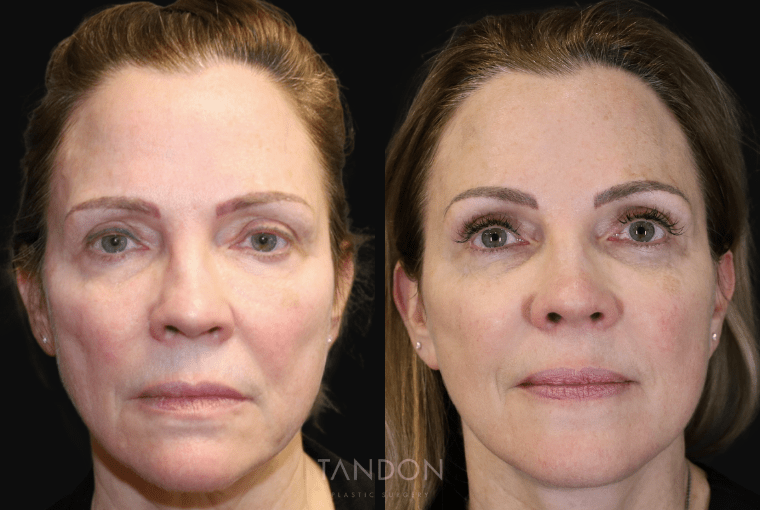
Facelift surgery has evolved significantly over the past decade, offering patients more natural and longer-lasting results than ever before. In Boston, patients seeking facial rejuvenation tend to value subtle enhancement—results that restore youthfulness without changing facial identity or appearing overdone. Modern facelift techniques now focus on repositioning deeper facial structures rather than simply tightening the skin, allowing for smoother contours and more authentic outcomes.
Aging affects the face gradually through skin laxity, soft tissue descent, and changes in facial volume. These shifts can lead to jowling, loss of jawline definition, deepening folds around the mouth, and a tired appearance. Today’s facelift techniques address these concerns at their structural source. Dr. Vickram Jay Tandon, MD, FACS, a board-certified plastic surgeon in Boston, is known for his precise, technique-driven approach to facelift surgery, helping patients achieve refreshed and natural-looking results aligned with their facial anatomy.
What a Facelift Can Improve
Facelift surgery is designed to restore balance and definition to the lower face, jawline, and midface. Rather than dramatically altering appearance, a well-performed facelift enhances existing features by repositioning tissues that have shifted over time. Common improvements include smoothing jowls, refining the jawline, lifting the cheeks, and softening deep creases around the mouth and nose.
Modern facelifts focus on lifting the underlying support structures of the face rather than pulling the skin tight. This approach preserves natural facial expression and softness while creating a more youthful contour. Patients often report that they look more rested and refreshed without appearing as though they have had surgery.
Common Concerns Among Facelift Patients
Patients considering facelift surgery often share similar concerns. Many worry about visible scarring, extended downtime, or results that appear unnatural or overly tight. Others question whether facelift surgery will still allow their face to move naturally when smiling or speaking.
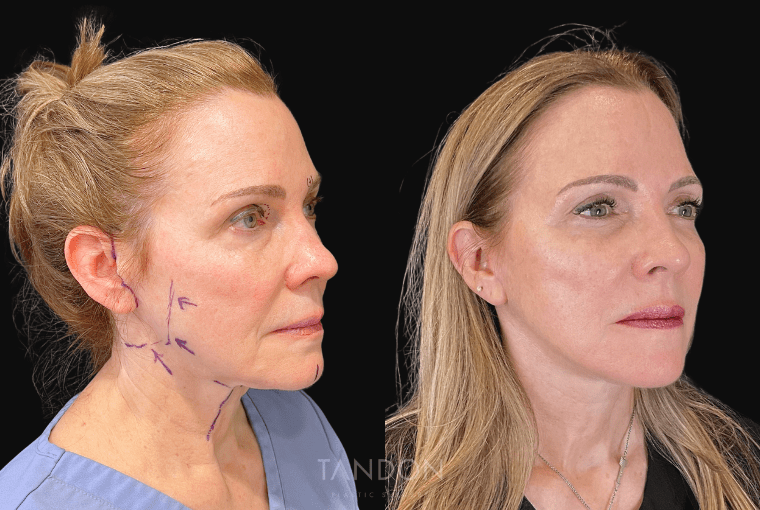
Dr. Tandon addresses these concerns during consultation through detailed education and realistic planning. Incisions are carefully placed within natural skin creases around the ears and hairline to minimize visibility. By focusing on deeper tissue repositioning rather than surface tension, modern techniques reduce the risk of a pulled or artificial appearance. Clear communication about recovery, scarring, and expected outcomes helps patients feel informed and confident throughout the process.
Modern Facelift Techniques and Their Benefits
Advanced facelift techniques, including deep plane and extended SMAS approaches, have transformed facial rejuvenation. These methods allow the surgeon to release and reposition deeper facial ligaments, lifting the cheeks and lower face as a cohesive unit. Because the skin is redraped without excessive tension, results appear smoother and more natural.
These modern approaches are particularly effective for addressing midface descent, deep nasolabial folds, and significant jowling. Patients benefit from improved longevity of results and a more youthful facial shape that continues to look natural as healing progresses. Dr. Tandon selects the most appropriate technique based on each patient’s anatomy, degree of aging, and aesthetic goals.
Customizing Facelift Surgery for Boston Patients
Boston patients often seek refinement rather than dramatic transformation. Dr. Tandon’s approach begins with a comprehensive facial evaluation, examining skin quality, bone structure, soft tissue volume, and overall facial balance. He assesses how aging has affected each region of the face and determines which surgical technique will provide the most natural correction.
In some cases, a facelift may be combined with complementary procedures such as eyelid surgery, neck contouring, or skin resurfacing to enhance overall harmony. These decisions are made carefully and on an individual basis. The goal is to create a balanced, cohesive result that enhances facial proportions while preserving each patient’s unique features.
Recovery and the Healing Process
Recovery following facelift surgery varies depending on the technique used and the extent of correction. Most patients experience swelling and bruising during the first one to two weeks, with gradual improvement thereafter. Many individuals feel comfortable resuming light activities within two weeks, while more strenuous activity is typically restricted for several weeks.
Although early results are visible relatively quickly, refinement continues for several months as swelling resolves and tissues settle into their new position. Dr. Tandon provides detailed postoperative instructions to support healing, including guidance on activity restrictions, incision care, and sun protection. Close follow-up ensures that recovery progresses smoothly and results continue to improve.
Expected Results and Longevity
A successful facelift should create a refreshed version of the patient, not a different face. Following recovery, patients typically notice a smoother jawline, improved neck contour, and restored cheek position. Facial features appear more defined, yet soft and natural.
Results from modern facelift techniques are long-lasting due to the repositioning of deeper facial structures. While the natural aging process continues, patients generally look significantly younger than they would have without surgery. With proper skincare, sun protection, and healthy lifestyle habits, facelift results can remain attractive for many years.
Ideal Candidates for Facelift Surgery
Ideal facelift candidates are healthy adults experiencing visible facial aging who desire natural, long-term improvement. Candidates should have realistic expectations and be prepared to follow postoperative guidelines. Individuals with mild aging changes may benefit from less extensive procedures, while those with more advanced sagging often achieve the best outcomes with modern facelift techniques.
During consultation, Dr. Tandon evaluates medical history, facial anatomy, and personal goals to ensure that facelift surgery is both safe and appropriate. Customized planning allows the procedure to be tailored precisely to each patient’s needs.
Why Patients Choose Dr. Vickram Jay Tandon
Dr. Vickram Jay Tandon, MD, FACS, is recognized in Boston for his meticulous surgical technique and commitment to natural-looking results. His expertise in modern facelift methods allows him to deliver refined outcomes that enhance facial harmony without sacrificing expression or individuality. Patients value his thoughtful approach, clear communication, and dedication to long-term satisfaction.
Taking the Next Step
Facelift surgery is a meaningful decision that can restore confidence and facial balance when performed with precision and care. Patients considering facelift surgery in Boston are encouraged to schedule a consultation with Dr. Tandon to explore their options and receive a personalized assessment. With modern techniques and individualized planning, facelift surgery can provide refreshed, natural results that align beautifully with each patient’s features.
Understanding Tummy Tuck Surgery
A tummy tuck, also known as abdominoplasty, is a surgical procedure to remove excess skin and fat from the abdominal area while tightening the underlying muscles. This comprehensive approach addresses common concerns such as loose skin, stubborn fat deposits, and abdominal muscle laxity, resulting in a firmer, more sculpted abdomen.
What Does a Tummy Tuck Entail?
A tummy tuck procedure involves several key steps to achieve optimal results:
- Anesthesia: The procedure begins with administering anesthesia to ensure your comfort. This can include general anesthesia or intravenous sedation, depending on your specific needs and the surgeon’s recommendation.
- Incision: Dr. Tandon will make a horizontal incision between the pubic hairline and the navel. The shape and length of the incision will depend on the amount of excess skin to be removed. In cases with a significant amount of excess skin, a second incision around the navel may be necessary to remove skin from the upper abdomen.
- Tightening the Muscles: The underlying abdominal muscles, which may have become weakened or separated, are repaired and tightened to create a firmer abdominal wall.
- Removing Excess Skin and Fat: Excess skin is trimmed away, and stubborn fat deposits are removed, typically through liposuction techniques, to enhance the contour of the abdomen.
- Repositioning the Navel: The navel is repositioned to a natural-looking location, ensuring a harmonious and aesthetically pleasing result.
- Closing the Incisions: The incisions are carefully closed with sutures, skin adhesives, or clips. Proper closure techniques are employed to minimize scarring and promote optimal healing.
Recovery and Results
The recovery process varies for each individual but generally involves the following:
- Initial Recovery: You will experience some swelling, bruising, and discomfort in the first few days post-surgery. Dr. Tandon will provide detailed post-operative care instructions to manage these symptoms and promote healing.
- Gradual Improvement: As the swelling subsides, you will begin to see the results of your tummy tuck. Most patients can return to light activities within a few weeks and resume more strenuous activities after six weeks.
- Long-Term Benefits: The results of a tummy tuck are long-lasting, especially when combined with a healthy lifestyle. You will enjoy a firmer, more toned abdomen and improved body contours, leading to enhanced self-confidence and a better quality of life.
By understanding the intricacies of a tummy tuck and consulting with Dr. Tandon, you can make an informed decision and embark on a journey toward achieving the sculpted abdomen you’ve always desired.