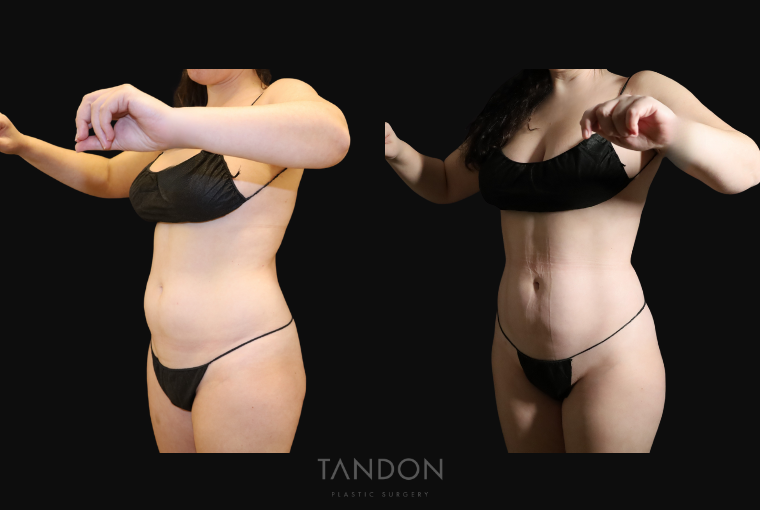
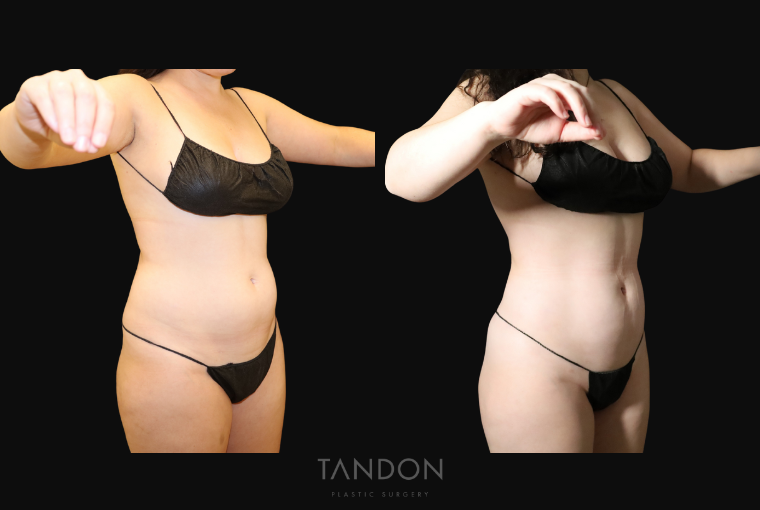
Liposuction remains one of the most frequently performed cosmetic surgical procedures in the United States, and its popularity continues to grow among patients seeking targeted body contouring. Despite its prevalence, however, liposuction is also one of the most misunderstood procedures in aesthetic surgery. Misconceptions about what liposuction can and cannot achieve, how recovery unfolds, and who is an appropriate candidate persist in popular culture and across digital media. For patients in Boston and throughout Massachusetts who are considering this procedure, separating fact from fiction is an essential first step. At Tandon Plastic Surgery, Dr. Vickram Tandon provides a surgical practice built on clinical precision, honest communication, and personalized care that helps patients make informed decisions about their body contouring goals.
What Is Liposuction?
Liposuction is a surgical procedure designed to remove localized deposits of fat from specific areas of the body. It is not a weight loss procedure. Rather, it is a contouring tool intended to address stubborn pockets of fat that resist diet and exercise. Common treatment areas include the abdomen, flanks, thighs, upper arms, chin, and back.
The procedure involves the insertion of a thin, hollow tube called a cannula through small incisions in the skin. The cannula is used to loosen and suction out targeted fat cells. Several variations of the technique exist, including tumescent liposuction, ultrasound-assisted liposuction, and laser-assisted liposuction. Each method has specific advantages depending on the treatment area, the volume of fat being addressed, and the patient’s tissue characteristics.
A 2020 systematic review published in Plastic and Reconstructive Surgery evaluated outcomes across multiple liposuction techniques and confirmed that all modern approaches demonstrate favorable safety profiles and patient satisfaction rates when performed by board-certified plastic surgeons (Kaoutzanis et al., Plastic and Reconstructive Surgery, 2020). The review emphasized that surgical expertise and patient selection are the most significant determinants of a successful outcome.
Separating Myths from Facts
One of the most persistent myths about liposuction is that it serves as a substitute for weight loss. Patients who approach liposuction with the expectation that it will dramatically reduce their body weight are likely to be disappointed. The procedure is designed to refine contours and address areas of disproportionate fat distribution, not to achieve significant overall weight reduction. Ideal candidates are typically within a stable, healthy weight range and are seeking targeted improvement rather than comprehensive transformation.
Another common misconception is that fat removed through liposuction will return to the treated area. Fat cells that are removed during the procedure do not regenerate. However, remaining fat cells in the treated area and in other areas of the body can enlarge with significant weight gain. Maintaining a stable weight after surgery is essential for preserving the results. A 2012 study published in the journal Obesity found that patients who gained weight after liposuction tended to accumulate fat in untreated areas, reinforcing the importance of long-term weight management (Hernandez et al., Obesity, 2012).
A third misconception relates to skin tightening. Liposuction removes fat beneath the skin but does not directly tighten the skin itself. Patients with good skin elasticity tend to experience favorable skin retraction after the procedure. Those with diminished elasticity, often due to aging, significant weight fluctuations, or genetic factors, may require additional skin tightening procedures to achieve their desired outcome. Dr. Tandon assesses skin quality during the consultation and discusses whether complementary procedures may be beneficial.
Finally, some patients believe that liposuction results are immediately visible. While some improvement is apparent shortly after surgery, the full results of liposuction develop gradually over several months as swelling subsides and the tissues settle into their new contours. Patience during the recovery process is an important component of a positive surgical experience.
Available Techniques and How Dr. Tandon Customizes Care
At Tandon Plastic Surgery, the approach to liposuction is guided by the principle that no two patients are alike. During the consultation, Dr. Tandon conducts a thorough physical examination, discusses the patient’s aesthetic goals, and evaluates factors such as skin quality, fat distribution, and overall health. Based on this assessment, he recommends the technique and treatment plan most likely to achieve the desired outcome.
Tumescent liposuction, in which a dilute solution of local anesthetic and epinephrine is infused into the treatment area before fat removal, remains the gold standard for many applications. The tumescent technique reduces bleeding, minimizes postoperative discomfort, and facilitates smoother fat extraction.
For areas that require additional tissue disruption, such as fibrous regions of the back or male chest, ultrasound-assisted liposuction may be employed. This technique uses ultrasonic energy to liquefy fat cells before removal, allowing for more efficient extraction in dense tissue.
Dr. Tandon also considers whether liposuction should be performed as a standalone procedure or in combination with other body contouring techniques. For patients undergoing abdominoplasty, for example, liposuction of the flanks can enhance the overall result by creating a more harmonious contour. This integrated approach reflects the importance of viewing body contouring as a comprehensive process rather than a series of isolated interventions.
Recovery, Outcomes, and Realistic Expectations
Recovery from liposuction varies depending on the extent of the procedure and the areas treated. Most patients experience moderate swelling, bruising, and tenderness in the first one to two weeks following surgery. A compression garment is worn over the treated areas for several weeks to support healing, reduce swelling, and help the skin conform to the new contours.
Most patients can return to desk work and light daily activities within a few days to one week. More strenuous exercise and physical activity are typically restricted for four to six weeks. Dr. Tandon provides individualized postoperative instructions and schedules follow-up appointments to monitor the healing process and address any questions or concerns.
The timeline for visible results is gradual. Initial improvement may be noticeable within the first few weeks, but residual swelling can persist for several months. Most patients observe their final results between three and six months after the procedure. During this period, the treated areas continue to refine and settle.
It is important for patients to understand that liposuction produces refinement, not perfection. Minor asymmetries are a normal aspect of human anatomy and may persist after surgery. The goal is to create a more proportional, balanced silhouette that aligns with the patient’s body type and aesthetic preferences.
Who Is a Good Candidate for Liposuction?
The best candidates for liposuction are individuals who are in good general health, maintain a stable weight, and have localized areas of fat that do not respond to diet and exercise. Candidates should have realistic expectations about the procedure and understand that it is a contouring tool rather than a weight loss solution.
Good skin elasticity enhances the likelihood of a smooth result, as the skin must retract to conform to the reduced volume beneath it. Patients with significantly compromised skin elasticity may be better served by procedures that combine fat removal with skin excision.
Patients who smoke are strongly advised to cease tobacco use well in advance of surgery, as smoking impairs circulation and healing. Individuals with certain medical conditions, including uncontrolled hypertension, blood clotting disorders, or active infections, may need to address those conditions before proceeding with elective surgery.
A candid consultation is the best way to determine whether liposuction is appropriate for a given patient. Dr. Tandon takes the time to listen to each patient’s concerns, evaluate their anatomy, and provide an honest assessment of what the procedure can achieve.
Scheduling a Consultation at Tandon Plastic Surgery
For residents of Boston and the greater Massachusetts area who are considering liposuction, the first step is a thorough consultation with a qualified, board-certified plastic surgeon. At Tandon Plastic Surgery, Dr. Vickram Tandon combines technical skill with an attentive, patient-centered approach to ensure that each individual receives care tailored to their unique anatomy and goals. The practice is committed to transparent communication, clinical excellence, and outcomes that reflect the highest standards of aesthetic surgery. To learn more about liposuction or to schedule a private consultation, patients are welcome to visit the practice website at doctortandon.com or contact the office by telephone.